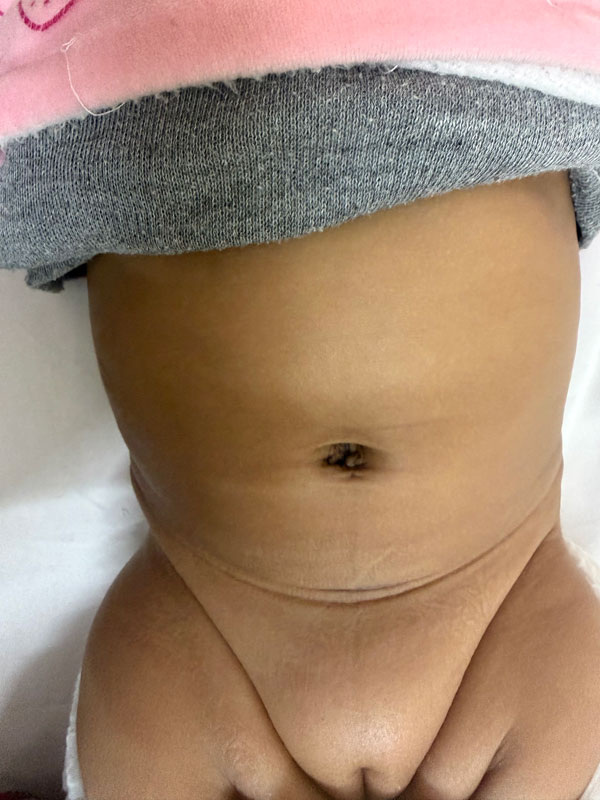
I am pleased to share a recent surgical success at St. Stephen’s hospital involving a 2-month-old female infant, highlighting the diagnostic challenges and the superior outcomes of Minimally Invasive Surgery (MIS) in neonates.
The patient was diagnosed antenatally with a large intra-abdominal cyst. Postnatal evaluation via Ultrasound and MRI identified a significant cystic mass in the right lumbar region, distinctly separate from the right ovary.
Based on the location, our differential diagnoses included:
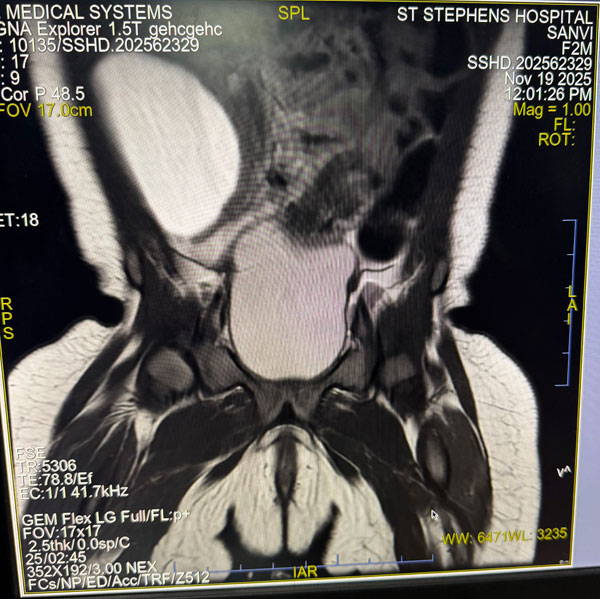
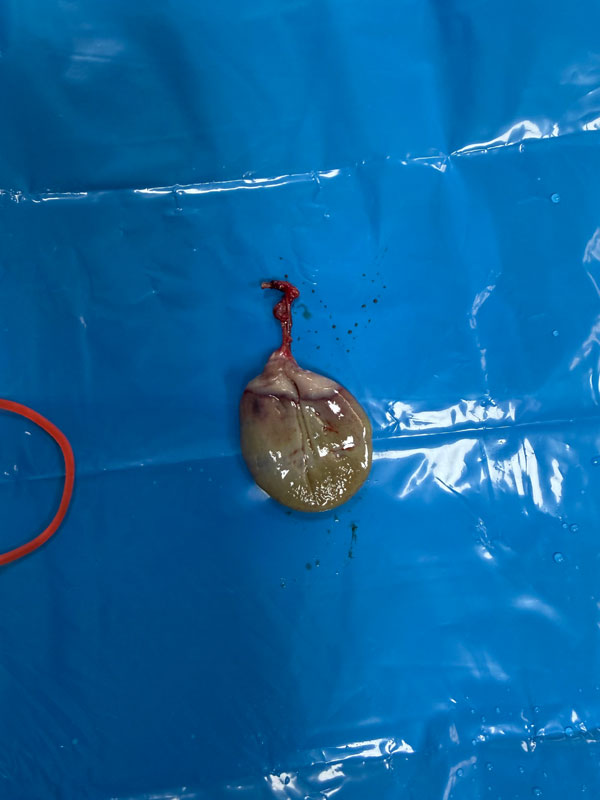
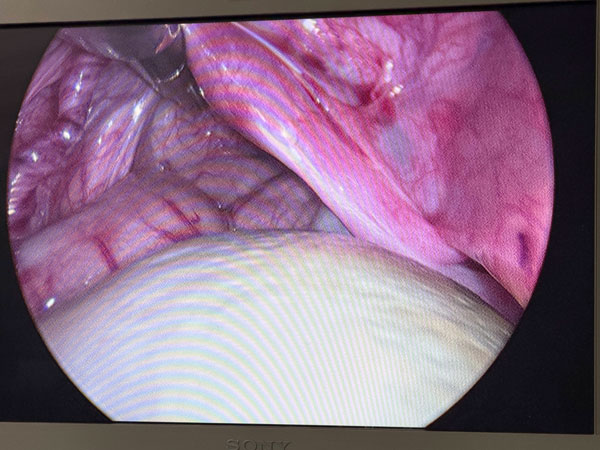
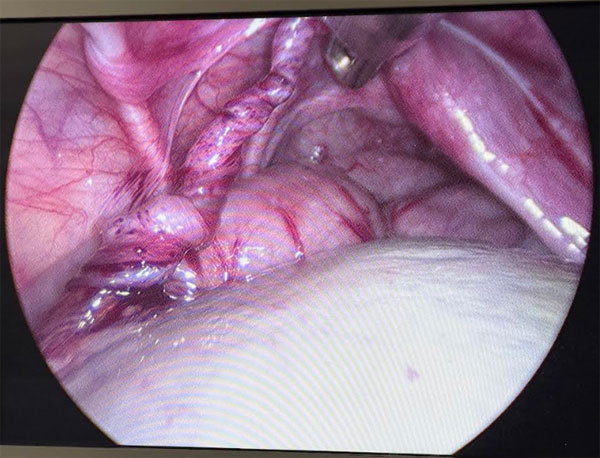
We proceeded with a Diagnostic Laparoscopy, which revealed a surprising anatomical finding. The mass was actually the left ovary, which had transformed into a large cyst and underwent torsion on its pedicle. Due to its size and the inherent mobility of the neonatal adnexa, it had migrated across the midline to the right lumbar region.
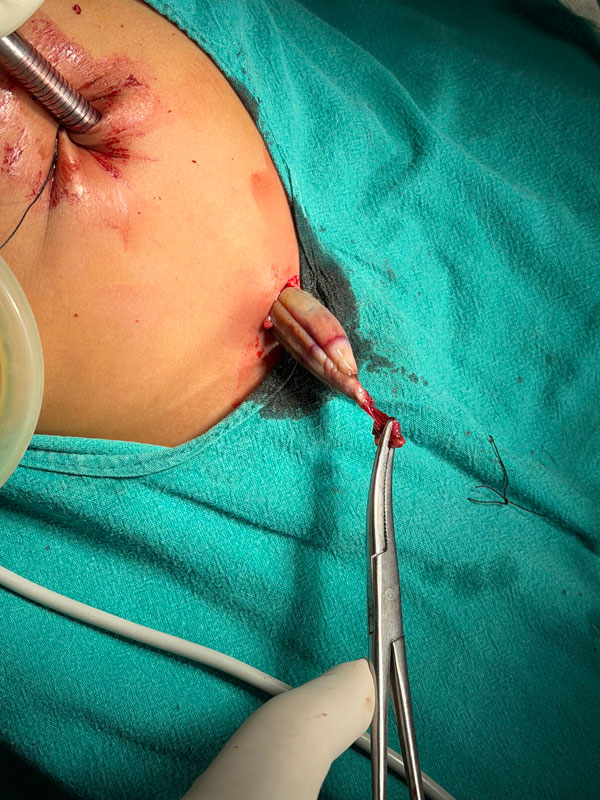
A Laparoscopic Ovarian Cystectomy was performed. Despite the torsion, we prioritized the preservation of ovarian tissue
Outcome: The baby was discharged the very next day.
Pathology: Confirmed an ovarian cyst with scanty ovarian tissue.
Cosmetic Result: At follow-up, the abdominal scars are nearly invisible. The cosmetic and functional benefits of laparoscopy in infants—minimizing trauma to the abdominal wall—cannot be overemphasized.
Foetal abdominal cysts are increasingly being detected due to high-resolution prenatal ultrasound. While many (like simple enteric or mesenteric cysts) are benign, their presence requires careful postnatal mapping to rule out obstruction or torsion.
Neonatal Ovarian Cysts are often the result of stimulation by maternal hormones and fetal gonadotropins. While many resolve spontaneously, cysts larger than 4-5 cm carry a significant risk of Torsion. Neonatal ovarian torsion can occur in utero or postnatally. Because the neonatal adnexa is highly mobile, a twisted, heavy cyst can "wander" throughout the abdomen, often leading to misleading preoperative imaging. Laparoscopy remains the gold standard for both definitive diagnosis and organ-sparing treatment.