

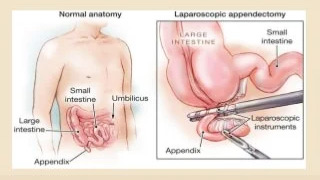
Appendicitis is the swelling and infection of the appendix (a narrow, finger-like pouch that branches off the large intestine). Appendicitis is the most common reason for a child to need emergency abdominal surgery.

Paediatric Endourology is that branch of Paediatricurology in which small internal endoscopes and instrumentation are used to see into the child’s urinary tract and perform surgery. With advancements in instrumentation, a number miniature endourology instruments.

Voiding dysfunction means that the child is unable to completely empty his or her bladder and has an abnormal voiding pattern i.e. interrupted or intermittent flow of urine.

Intussusception is one of the most common causes of acute abdomen in infancy. This condition is usually idiopathic in children between 6 months and 2 years of age with an incidence of 1-2 cases per thousand children.
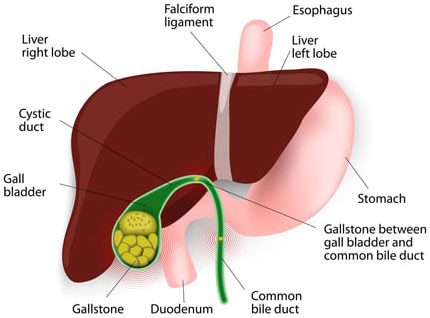
Gallstones, also known as cholelithiasis, are solid deposits of digestive fluid in the gallbladder, a small organ that sits just below the liver.

Hirschsprung’s disease is a disease affecting the nerve cells (Ganglion cells) of the large intestine (It sometimes also affects the nerve cells of the small intestine).

Acute scrotal pain and swelling is a common urological complaint in the paediatric population. Testicular torsion and torsion of the appendix testis.

Constipation is a common problem in children and accounts for almost 20 % of the referrals.
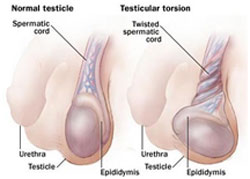
Testicular torsion is the twisting of the testicles and the spermatic cord (the structure extending from the groin to the testes that contains nerves, ducts.

A common complaint for which parents have anxiety about their boys is ‘Phimosis’. It is a condition...